
The best time to visit Chiang Mai is from November to February. These months are cool, dry and sunny, with clear skies and the year's most comfortable temperatures. Avoid March and April if you can: heat and the "burning season" smoke make them the least enjoyable months. The rainy season (June to October) is quieter, greener and cheaper.
By PM Tours, Chiang Mai. Updated October 2026.
Chiang Mai Weather at a Glance
| Season | Months | Weather | Air quality | Crowds |
|---|---|---|---|---|
| Cool & dry | Nov — Feb | Sunny days, cool nights | Good (can dip late Feb) | High |
| Hot & smoky | Mar — Apr | Very hot, dry | Poorest of the year | Medium |
| Rainy (green) | May — Oct | Warm, afternoon showers | Good | Low |
Chiang Mai has a tropical savanna climate. In January, the coolest month, daytime highs sit around 27–29°C and nights fall to roughly 15–17°C, so mornings and evenings feel fresh. April is the hottest month, with highs of 39°C.
Month-by-Month Guide
January: Coolest and Driest
January is the coolest month and one of the driest, so it is ideal for exploring temples, trekking and cycling. Pack a sweater or light jacket for early mornings, evenings and for trips to mountains like Doi Inthanon. Expect higher prices and more visitors.
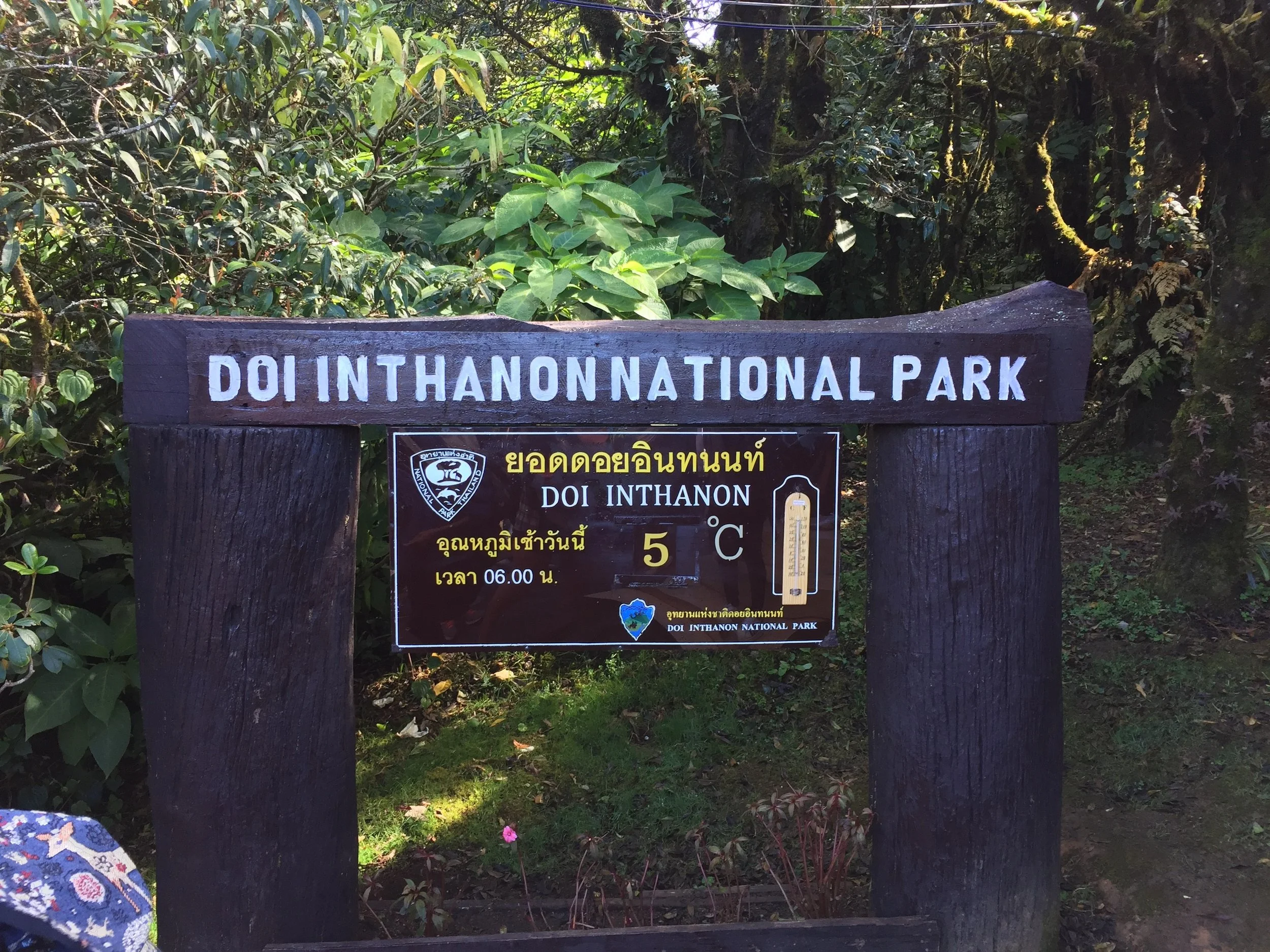
February: Warm and Mostly Clear
Days warm up and skies stay sunny. Smoke can start building in the second half of the month, so check air quality before you book. You can do so by contacting us or using apps like AirVisual.
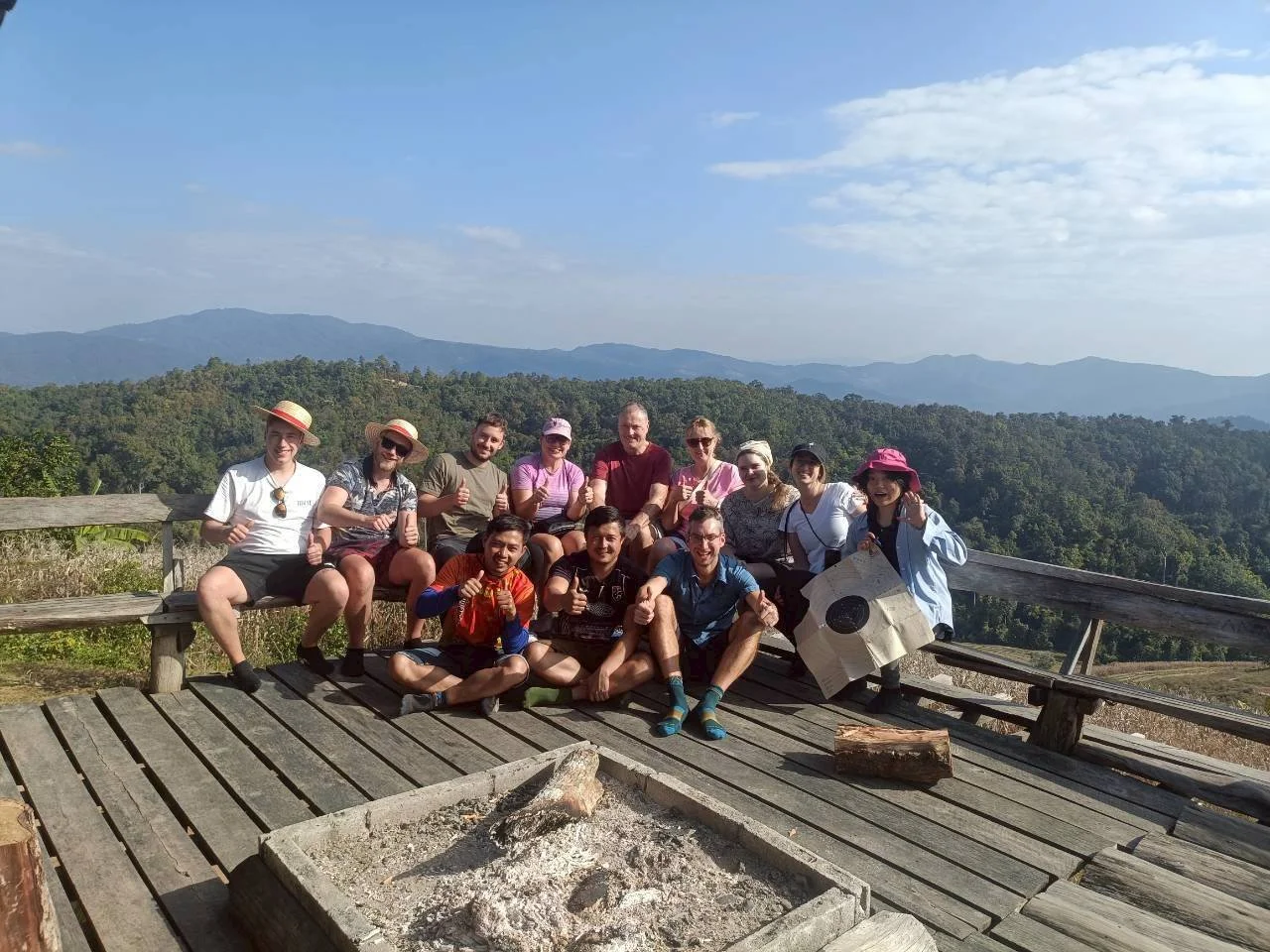
March: Hot With the Worst Air
March is typically the peak of burning season, when agricultural and forest fires fill the valley with smoke. It is the month to skip Northern Thailand and to head for the south. This is not just a Chiang Mai problem, but anywhere in South East Asia. Aim to stay south of Bangkok, near the coast.

April: Hottest Month and Songkran
Songkran, the Thai New Year water festival, runs 13–15 April and is a highlight for many travelers. Chiang Mai is the best place to celebrate Songkran because the entire city turns into one big festival. Expect extreme heat and, early in the month, lingering smoke. Air tends to improve significantly once rains arrive in late April.
May: Rains Return
The first rains clear the air and cool the temperature. The hills turn green, hotels cut rates and crowds thin out. An underrated season, and one of our favorite times of the year to be in Chiang Mai. Read our rainy season blog to find out why.
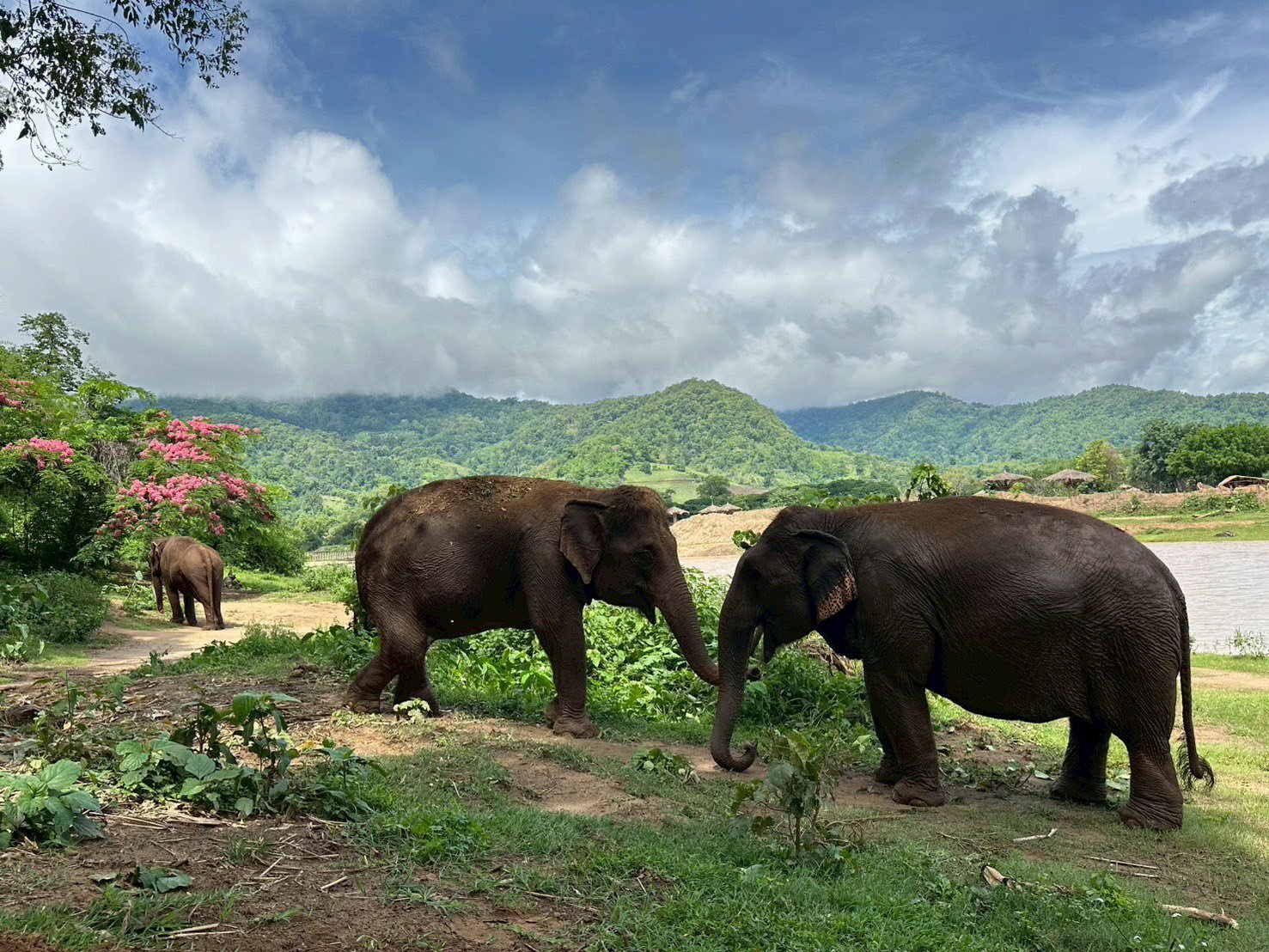
June and July: Green Season Begins
Showers usually arrive in short, heavy bursts, often with sunshine in between. It can be sunny for days though, and the temperatures are 35°C with high humidity. If you are adventurous this time of the year is fantastic for trekking. The waterfalls are full of water and forests alive and green.

August and September: Wettest Months
August has the most rainfall and September typically brings the heaviest rainfall. Rice terraces and jungles are at their greenest, but trekking trails get slippery and some roads and waterfalls can be affected. Choose flexible plans.
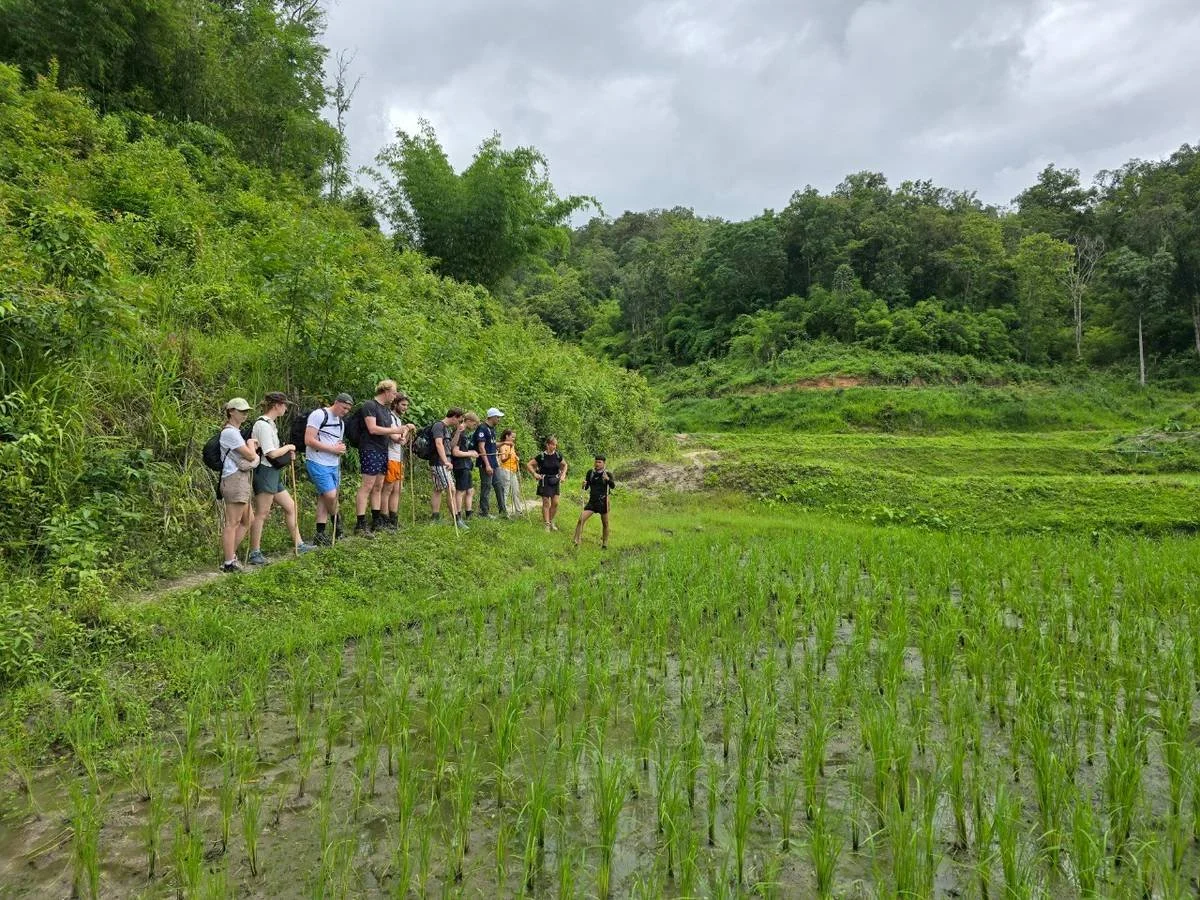
October: Shoulder Season
Rain eases through the month and the landscape stays lush. October is a smart time to visit if you want fewer crowds before the high season starts. You can expect blue, sunny skies on most days and warm humid weather.
November: Festival Month
Cool, dry weather returns, and the skies are crystal clear. This is the best month to visit Chiang Mai. Yi Peng and Loy Krathong, the lantern and floating-basket festivals, fall on the full moon of this month. In 2026, Loy Krathong will be on 24–25 November. Book rooms and tickets months ahead. Note that sky lanterns may not be released within Chiang Mai municipality because of airport safety zones.
December: Peak Season
December offers pleasant weather, Christmas and New Year events and night markets in full swing. It is also the most expensive and crowded month, so reserve early.
Best Time to Visit by Interest
Cool weather and sightseeing: December to January
Lantern festivals: November (full moon)
Songkran water festival: 13–15 April
Lowest prices and fewest crowds: May to October
Cleanest air: May to January
Trekking: November to February (dry trails, clear views)
What Is Burning Season in Chiang Mai?
Burning season is the period, usually from February to April, when smoke from crop burning, forest fires and regional fires builds up in the valley. March is typically the worst month. PM2.5 levels can rise far above healthy limits, which affects visibility and breathing, especially for children, older adults and people with asthma. Before booking, check a live air quality map such as AirVisual. If you must travel then, plan outdoor activities for days with better readings, carry masks rated N95 or higher and favor hotels with air purifiers.
Frequently Asked Questions
-
December and January have the best mix of cool weather, clear skies and clean air. November is best if you want the lantern festivals.
-
March and April, because of high heat and smoke. If you visit for Songkran, check air quality and prepare for the heat.
-
Yes. Rain usually comes in short showers, landscapes are lush, prices are lower and attractions are quieter. All our tours run as usual during rainy season.
-
Three to five days covers the Old City temples, markets, a trekking, cooking classes and an ethical elephant sanctuary visit. Add two or three more for Doi Inthanon, Chiang Rai or Pai.
-
As early as possible. Hotels and official lantern-release tickets often sell out months ahead.
-
You don’t need tickets for Songkran in Chiang Mai. Just show up with a water gun, clothes that can get wet and dirty, and have fun! Hotels and tours do require an early booking because it’s very busy.
Plan Your Trip With PM Tours
PM Tours is a Chiang Mai-based travel company. We arrange trekking tours, day trips, cooking classes and much more, and we adjust each itinerary to the season so you see the best Chiang Mai in any month. Message us with your dates and we will recommend what to do and which activities to avoid.